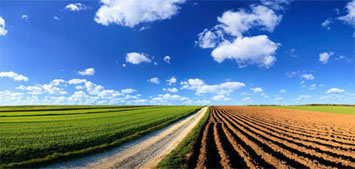
About Kharif Crops ✮
There is a unique rhythm to life in the Indian subcontinent. It doesn’t start on January 1st or with a Monday morning alarm. It starts with the first dark clouds gathering on the horizon and the scent of wet earth rising from the ground. This is the season of Sawan , the monsoon—and for over half of India’s population, it marks the beginning of the Kharif season .
Let’s roll up our sleeves, step into the rain-soaked fields, and explore the world of Kharif crops. The word Kharif comes from the Arabic word "Khareef" meaning "autumn." However, don't let the name confuse you—these crops are actually sown in summer and harvested in autumn. about kharif crops
So, grab that bhutta , sprinkle some lemon and salt on it, and eat it with gratitude. That, right there, is the spirit of Kharif. Have you ever tried growing a Kharif crop in your home garden? Tur (pigeon pea) is surprisingly easy to grow during the rainy season! Let me know in the comments below. There is a unique rhythm to life in the Indian subcontinent
If you have ever enjoyed a steaming plate of bhutta (roasted corn) in the rain or fluffy poha (beaten rice) for breakfast, you have tasted the fruits of the Kharif harvest. But what exactly are Kharif crops? Why are they so crucial to the economy, the dinner plate, and the very culture of South Asia? This is the season of Sawan , the
In agricultural terms, Kharif crops (also known as or Summer crops ) are the crops that are sown at the arrival of the monsoon rains. Unlike their winter cousins (Rabi crops), Kharif crops require a hot, humid climate and a lot of water.
Kharif crops are not just agricultural products. They are a testament to human adaptation to nature’s wildest season. They are the taste of the rain, the smell of the earth, and the promise of the harvest.



 Most Read