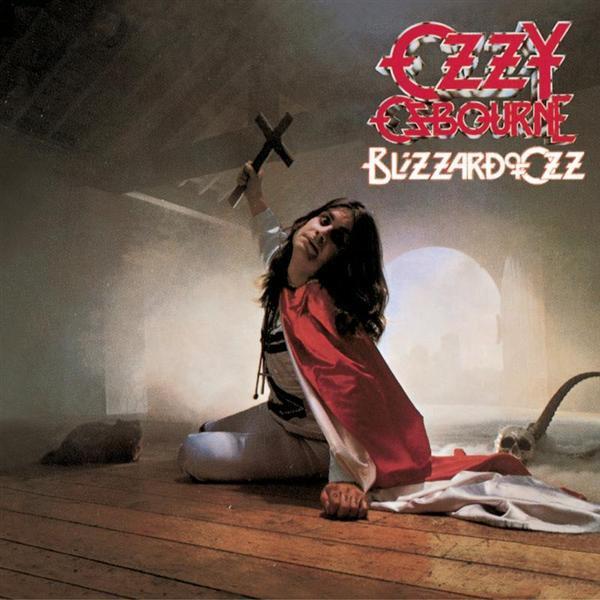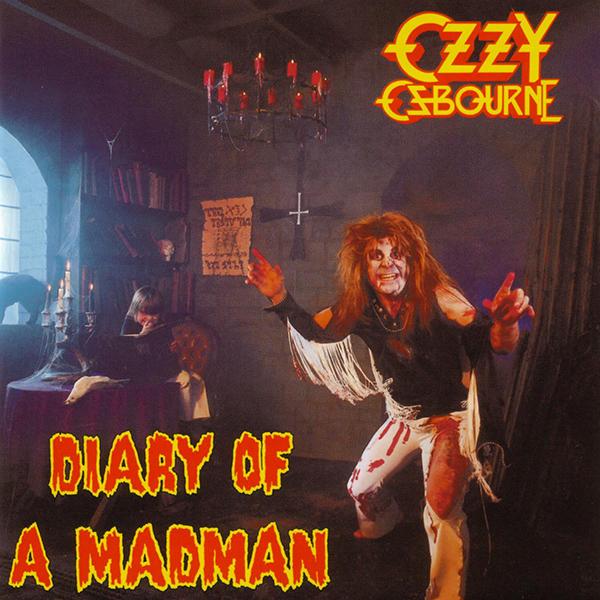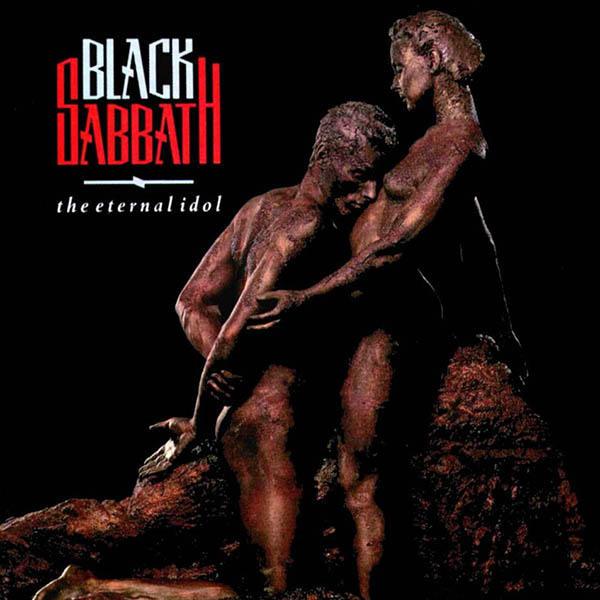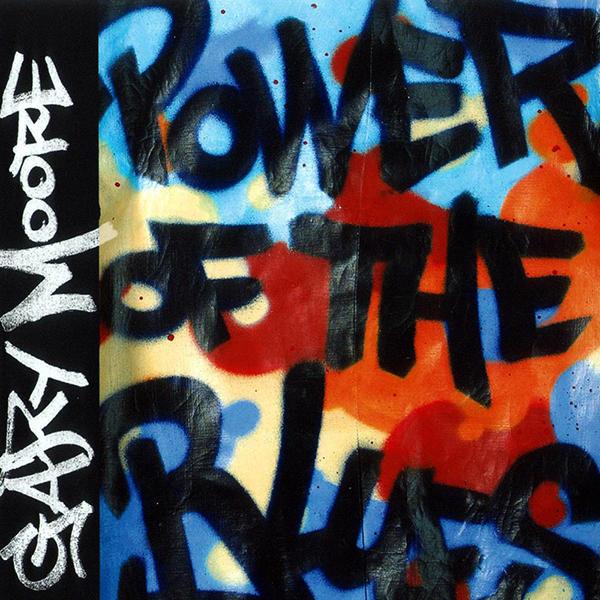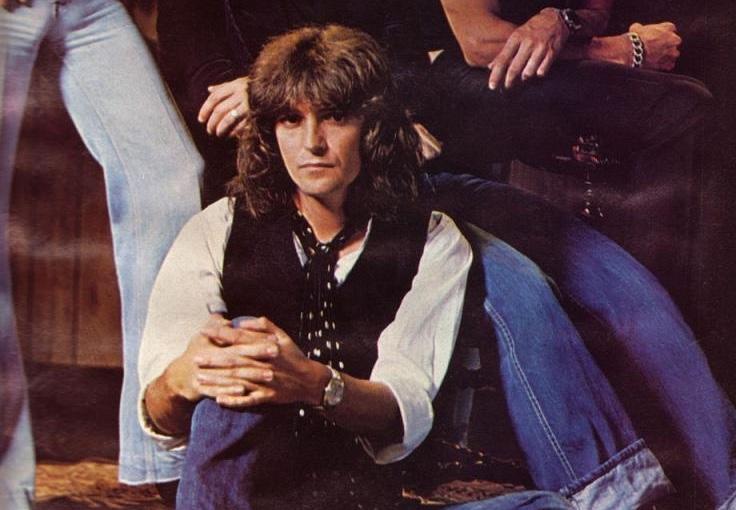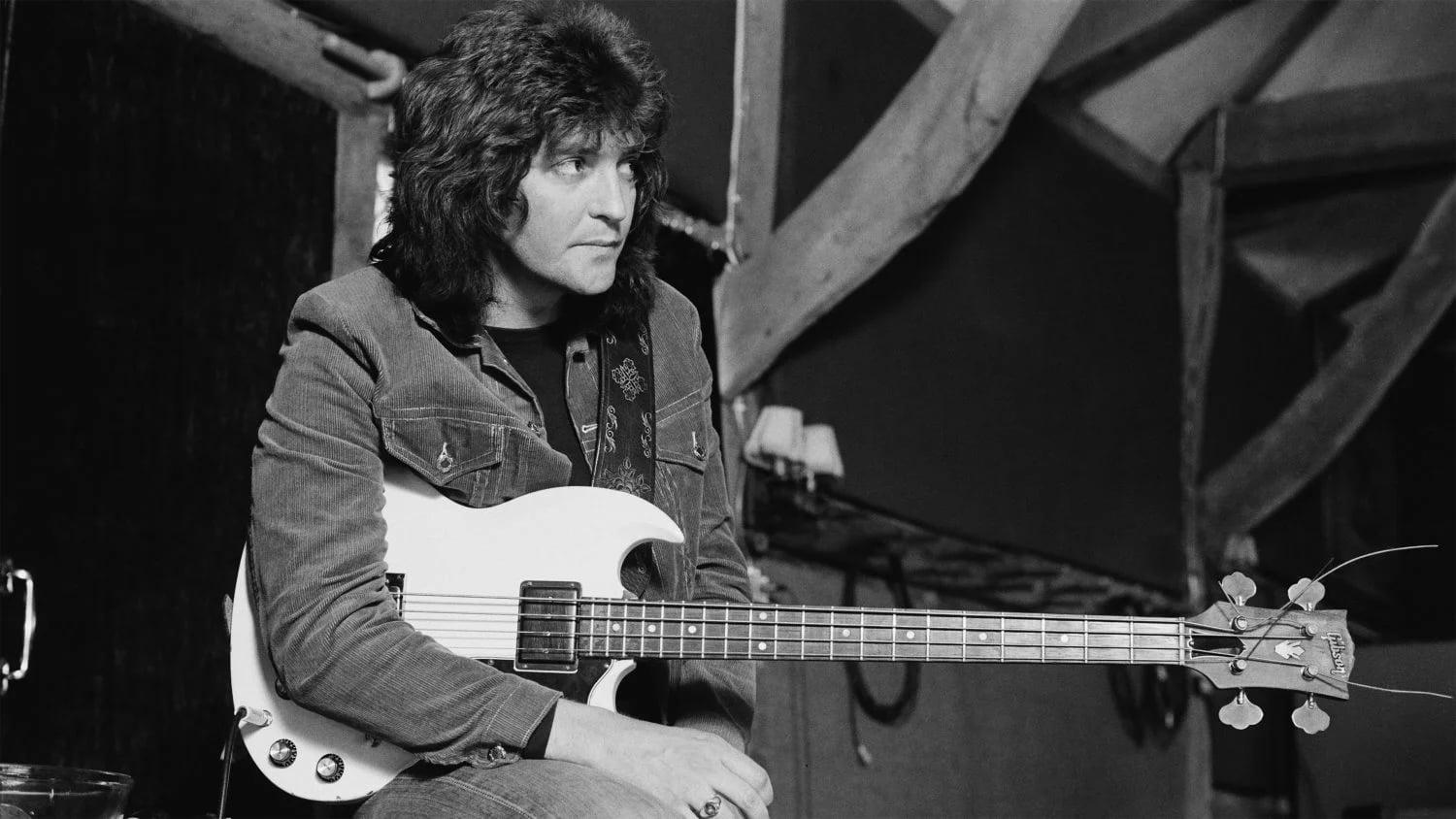
From blues and metal to ballads and progressive rock, Bob has done it all with the biggest names in the music business. As an in-demand session player, his talents have taken him all over the world. But it wasn’t always that way. Everyone starts out somewhere, and for Bob Daisley that was Sydney, Australia.
In the rapidly evolving landscape of social media, Facebook remains a dominant force, frequently updating its official application to introduce new features, patch security holes, and refine user interfaces. However, a significant subset of users actively avoids the latest version from the Google Play Store, instead searching the web for phrases like “APK Facebook old version.” This practice—sideloading older iterations of the app via Android Package Kits (APKs)—is driven by genuine needs for performance, familiarity, and device compatibility. Yet, it also represents a considerable gamble, trading modern security for perceived convenience.
The primary motivation for seeking an older Facebook APK is . As Facebook adds features—such as Reels, Avatars, and complex shopping integrations—the app becomes heavier and more resource-intensive. On older or budget Android smartphones, the latest version often runs sluggishly, drains the battery rapidly, or crashes frequently. An older version, from a time when the app was leaner, can restore fluid scrolling and faster load times. For users in emerging markets or those who cannot afford frequent hardware upgrades, downgrading the software is a practical, if unsupported, solution to keep using the platform. apk facebook old version
Additionally, older APKs are a lifeline for . As Google and Facebook cease support for older operating systems (e.g., Android 4.4 KitKat or 5.0 Lollipop), the Play Store blocks installation of the latest Facebook app. Sideloading an older compatible APK is often the only way to access Facebook on a functional but outdated tablet or phone, extending the device’s useful life and reducing electronic waste. In the rapidly evolving landscape of social media,
Furthermore, is inevitable. Facebook’s backend servers continuously evolve; they expect a certain API version from the client app. An old APK will soon encounter broken features—for example, inability to load Messenger chats, failure to post videos, or constant “Update Required” pop-ups. Over time, the old version becomes essentially unusable as server-side changes render it incompatible. The primary motivation for seeking an older Facebook APK is
Another driving factor is . Facebook is notorious for forcing redesigns that many users find counterintuitive or visually unappealing. For instance, the shift to a “TikTok-like” full-screen video player or the relocation of the notification bell has sparked backlash. By installing a legacy APK, users can revert to a familiar layout they have already mastered, avoiding the cognitive friction of learning a new navigation system. This desire for digital stability often overrides the allure of new features.
In conclusion, the search for an “APK Facebook old version” highlights a genuine tension between software developers’ forward momentum and users’ need for stability and speed. While older versions can resurrect performance on weak hardware and preserve beloved interfaces, they are a temporary and risky solution. The potential for malware infection, data theft, and progressive feature loss far outweighs the short-term benefits. Users are better served by submitting feedback to Facebook about performance issues, clearing app cache, or considering lightweight alternatives like Facebook Lite—an officially supported solution that addresses the same problems without compromising security. In the digital age, using the latest version, despite its flaws, remains the safest path.