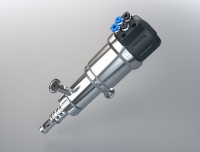
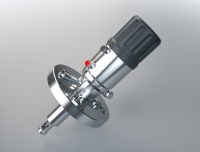
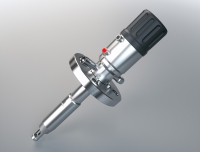
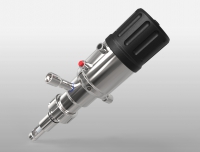
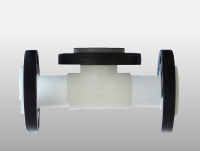
- Prozess-Armaturen
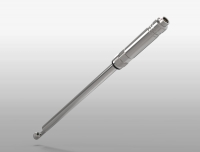
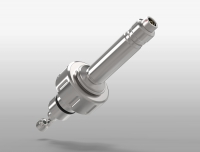
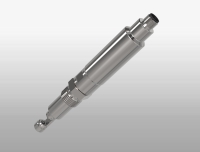
- Optische Sensoren
Kane suggests a pre-mortem check: "If I submit this 2 hours early at 85% quality, will anyone die? Will I get fired? Or will I just feel uncomfortable because I'm not in crisis mode?" Usually, the answer is no. You will just feel weirdly calm . That calm is the goal. You don't have to become a monk who finishes reports three weeks early. But you need to stop romanticizing the last-minute rush.
Separate the start from the finish . You can still use a artificial deadline to generate speed—but apply it to the first draft , not the final delivery. Give yourself 45 minutes to vomit out a rough draft (cutting it close on purpose), then give yourself a real buffer to refine it. The Buffer is Not Slack (The 20% Rule) One of Kane’s most useful frameworks is the "Buffer Theory." High-performers don't actually enjoy cutting it close; they just fail to account for reality. cutting it close karissa kane
The real problem with "cutting it close" isn't the time crunch—it’s the emotional hangover. The panic, the snapping at colleagues, the missed dinner, the shallow breathing. Kane suggests a pre-mortem check: "If I submit
While Karissa Kane is known for her sharp takes on productivity, burnout, and the "hustle culture" reversal, this post synthesizes her core philosophy: Why we wait until the last minute, and how to stop the panic without losing the edge. We’ve all been there. The cursor blinking on a blank screen. The train arriving in 12 minutes. The deadline that was “three weeks away” yesterday. You will just feel weirdly calm
Here is how to recognize the trap of "cutting it close" and build a buffer without killing your motivation. Karissa Kane points out a hard truth: Pressure doesn’t create quality; it just creates completion.