Exploited Teens Red Head Guide

| Step | What to do | Tips | |------|------------|------| | 1. Verify the exact title | Double‑check any source where you saw the reference (e.g., a bibliography, a citation manager, a conference program). Even a small typo can make a big difference in search results. | Look for quotation marks around the title in the original source; they often indicate the exact phrasing. | | 2. Search academic databases | Use databases such as Google Scholar , PubMed , ERIC , JSTOR , Scopus , or Web of Science . | - Enclose the whole title in quotation marks for an exact‑phrase search. - If the exact phrase yields no hits, try keywords: exploited teens , adolescent exploitation , media portrayal of red‑haired teens , etc. | | 3. Check subject‑specific journals | If the paper relates to child welfare , look in journals like Child Abuse & Neglect , Journal of Adolescent Health , or Protection and Care . If it’s about media studies , try Journal of Communication or Media, Culture & Society . | Browse the most recent issues; some journals make articles freely available after a short embargo. | | 4. Use library resources | University or public libraries often provide access to pay‑walled journals. You can log in via the library’s portal or request an interlibrary loan. | Many libraries also have subject librarians who can help locate obscure or conference‑paper citations. | | 5. Explore pre‑print repositories | Websites like arXiv , SSRN , PsyArXiv , or ResearchGate sometimes host pre‑print versions of papers before they are formally published. | Search by author name (if you have it) or by keywords. | | 6. Contact the author(s) | If you have an author’s name, look up their institutional profile; most academics list their publications and often provide PDFs on personal or departmental webpages. | A polite email asking for a copy of the article is usually well‑received, especially if the work is not behind a strict copyright barrier. | Possible topics the title could refer to | Potential focus | What researchers typically examine | Example keywords to add to your search | |-----------------|-----------------------------------|----------------------------------------| | Online sexual exploitation of minors | Risk factors, victim demographics, prevention strategies, law‑enforcement responses. | “online grooming”, “adolescent sexual exploitation”, “digital trafficking”. | | Media representation of teenage girls with red hair | Stereotypes, body image, racial/ethnic coding, impact on self‑esteem. | “red‑haired teen portrayal”, “media stereotypes”, “adolescent identity”. | | Physical or emotional abuse targeting specific sub‑groups | How certain physical traits (e.g., hair color) intersect with bullying or abuse. | “bullying red‑haired adolescents”, “appearance‑based victimization”. | | Cultural or folkloric analysis | Historical myths linking red hair to danger or otherness, and their modern ramifications. | “red hair folklore”, “cultural stigma teen”. |

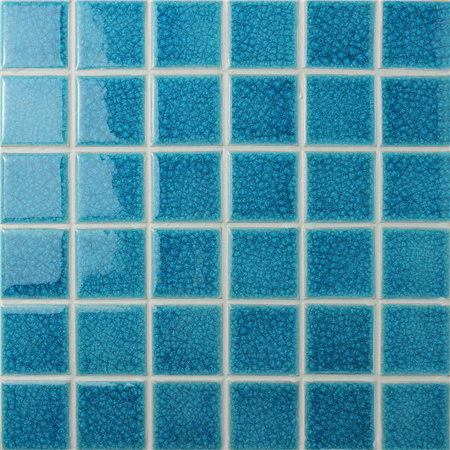
Вы здесь: Главная страница-> Продукция -> Керамическая мозаика для бассейна-> Замороженный Blue Ice Crack BCK609
Замороженный Blue Ice Crack BCK609,Мозаика, керамическая мозаика, керамическая мозаика кракле плитка, синий бассейн плитка Замороженный Blue Ice Crack BCK609,Мозаика, керамическая мозаика, керамическая мозаика кракле плитка, синий бассейн плитка
Замороженный Blue Ice Crack BCK609

| Step | What to do | Tips | |------|------------|------| | 1. Verify the exact title | Double‑check any source where you saw the reference (e.g., a bibliography, a citation manager, a conference program). Even a small typo can make a big difference in search results. | Look for quotation marks around the title in the original source; they often indicate the exact phrasing. | | 2. Search academic databases | Use databases such as Google Scholar , PubMed , ERIC , JSTOR , Scopus , or Web of Science . | - Enclose the whole title in quotation marks for an exact‑phrase search. - If the exact phrase yields no hits, try keywords: exploited teens , adolescent exploitation , media portrayal of red‑haired teens , etc. | | 3. Check subject‑specific journals | If the paper relates to child welfare , look in journals like Child Abuse & Neglect , Journal of Adolescent Health , or Protection and Care . If it’s about media studies , try Journal of Communication or Media, Culture & Society . | Browse the most recent issues; some journals make articles freely available after a short embargo. | | 4. Use library resources | University or public libraries often provide access to pay‑walled journals. You can log in via the library’s portal or request an interlibrary loan. | Many libraries also have subject librarians who can help locate obscure or conference‑paper citations. | | 5. Explore pre‑print repositories | Websites like arXiv , SSRN , PsyArXiv , or ResearchGate sometimes host pre‑print versions of papers before they are formally published. | Search by author name (if you have it) or by keywords. | | 6. Contact the author(s) | If you have an author’s name, look up their institutional profile; most academics list their publications and often provide PDFs on personal or departmental webpages. | A polite email asking for a copy of the article is usually well‑received, especially if the work is not behind a strict copyright barrier. | Possible topics the title could refer to | Potential focus | What researchers typically examine | Example keywords to add to your search | |-----------------|-----------------------------------|----------------------------------------| | Online sexual exploitation of minors | Risk factors, victim demographics, prevention strategies, law‑enforcement responses. | “online grooming”, “adolescent sexual exploitation”, “digital trafficking”. | | Media representation of teenage girls with red hair | Stereotypes, body image, racial/ethnic coding, impact on self‑esteem. | “red‑haired teen portrayal”, “media stereotypes”, “adolescent identity”. | | Physical or emotional abuse targeting specific sub‑groups | How certain physical traits (e.g., hair color) intersect with bullying or abuse. | “bullying red‑haired adolescents”, “appearance‑based victimization”. | | Cultural or folkloric analysis | Historical myths linking red hair to danger or otherness, and their modern ramifications. | “red hair folklore”, “cultural stigma teen”. | exploited teens red head

Related Poduct More>>