


































Please click here for ticket info

FREE TO PLAY is available now:
Watch on Steam Watch on Youtube Watch on Itunes Watch on Amazon Watch on VHX
Free to Play will be available for free on Steam March 19th, 2014!
The Free to Play Pack will also be available for purchase on Steam and the Dota 2 Store, and 25% of the sales will be distributed to the players featured in the film as well as the contributors. The Free to Play Pack will include the following:

Items will be available on March 19th, 2014 at the Dota 2 Store and Steam

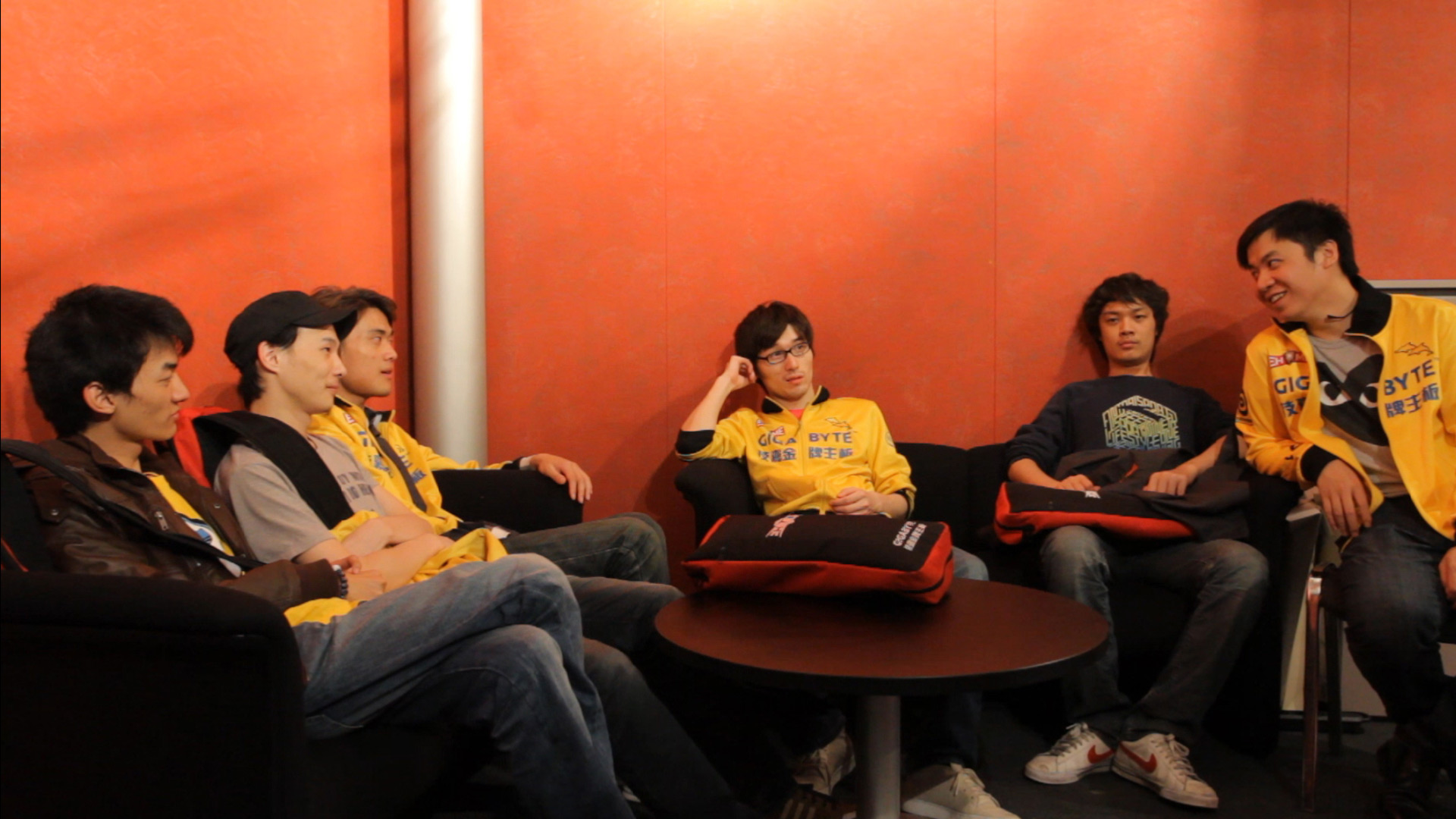
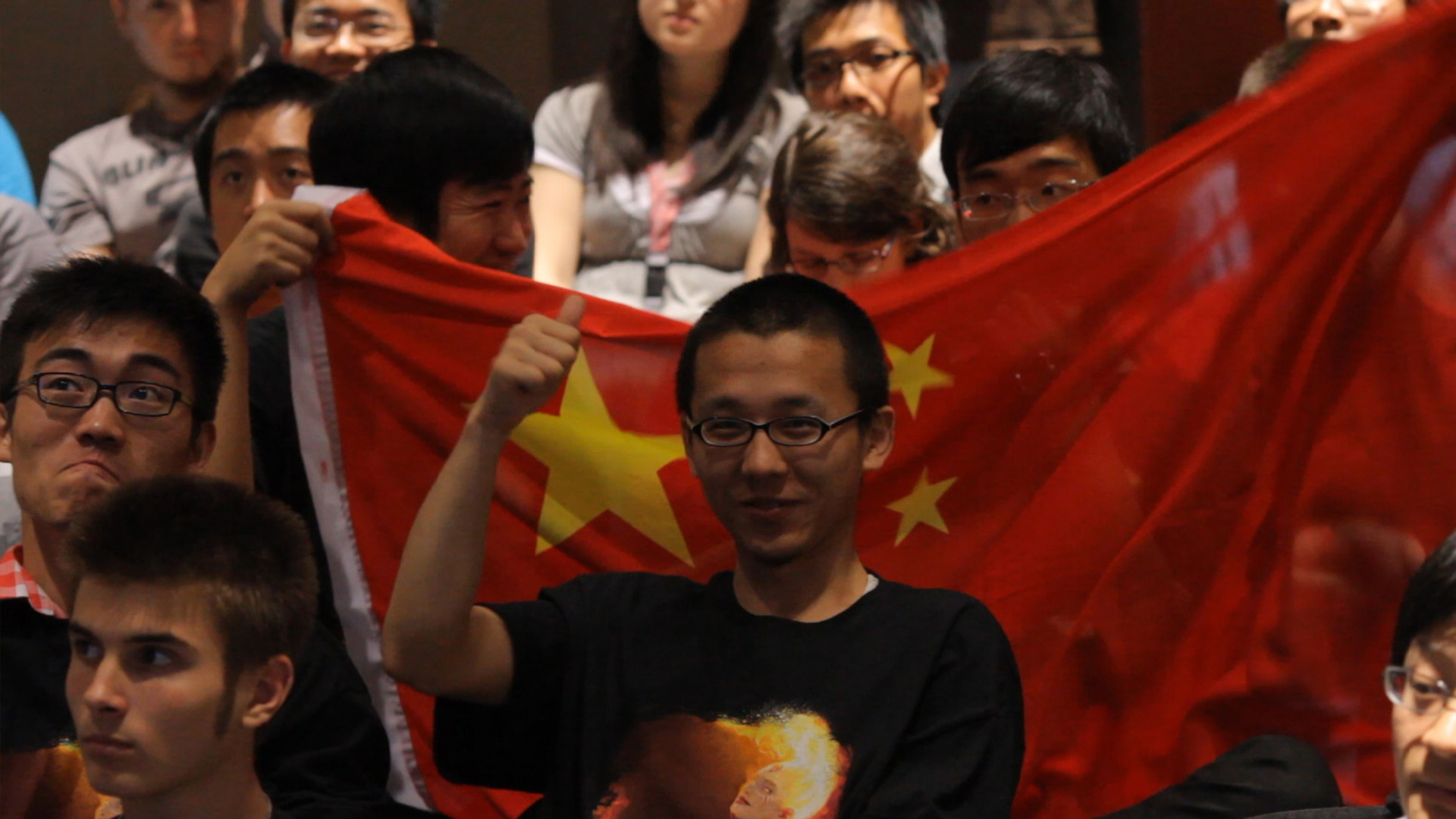
FREE TO PLAY is a feature-length documentary that follows three professional gamers from around the world as they compete for a million dollar prize in the first Dota 2 International Tournament. In recent years, E Sports has surged in popularity to become one of the most widely-practiced forms of competitive sport today. A million dollar tournament changed the landscape of the gaming world and for those elite players at the top of their craft, nothing would ever be the same again. Produced by Valve, the film documents the challenges and sacrifices required of players to compete at the highest level.


Born in L’viv, Ukraine, Dendi began playing video games at a young age after his older brother received a PC from their grandmother. As he had with his other early interests in life, music and dancing, Dendi picked up games very quickly and was soon excelling far beyond his age bracket. The prodigious dexterity earned through long hours of piano study was soon put to use in local gaming tournaments where he earned a reputation as a dominant and creative competitor. Though he was successful at other games, he knew he found his calling when he stumbled upon Dota.

If you’ve followed the development of Singaporean Dota, then Benedict “HyHy” Lim is a name that is familiar to you. Born in Singapore on 1990, HyHy’s rise to prominence began when he and teammates represented Singapore in the 2007 Asian Cyber Games. The following year, he was victorious in the Electronic Sports World Cup. Since then his body of work has become a pillar in the Dota 2 community. Never one to shy away from controversy, HyHy speaks his mind, and has made a name for himself as one of professional gaming’s most driven and versatile players.

Arguably among the most formidable Dota 2 players to ever come out of the Western Hemisphere, Clinton “Fear” Loomis, has never had an easy path in front of him. Ever the underdog, he’s used a balance of raw skill and hard-earned experience to overcome the isolation that US players often face when they compete at the highest level. Born 1988, his work ethic and dedication have taken him from Medford, Oregon to Europe, to China, and finally to the Dota 2 International, the tournament with the largest prize pool in the history of video games.
The Interplay of IMEI and Apple ID in Mobile Device Security and Forensic Identification
The International Mobile Equipment Identity (IMEI) and the Apple ID serve as two distinct but increasingly interconnected identifiers within the Apple ecosystem. While the IMEI provides hardware-level tracking for cellular devices, the Apple ID functions as a cloud-based user authentication token. This paper examines how these identifiers converge in security protocols, specifically in Activation Lock, law enforcement tracking, and secondary market verification. It argues that the coupling of hardware identity (IMEI) with user identity (Apple ID) has significantly reduced device theft but also introduced new challenges for digital forensics and device resale.
[Generated AI Assistant] Date: April 14, 2026 imei apple id
An Apple ID is a user account that grants access to iCloud, the App Store, Find My iPhone, and iMessage. It is software-based and can be associated with multiple devices.
Data from law enforcement agencies (e.g., London Metropolitan Police, 2018-2023) shows a marked decline in iPhone theft following Activation Lock. The IMEI alone can be changed via sophisticated hardware attacks, but the Apple ID-IMEI pair on Apple’s server cannot be bypassed without original credentials. The Interplay of IMEI and Apple ID in
For digital forensics, the IMEI-Apple ID link is a double-edged sword. Investigators can subpoena Apple for iCloud data associated with an Apple ID. However, without the Apple ID password, even possessing the physical IMEI does not allow access to user data due to end-to-end encryption.
A common scam involves selling a phone with a "clean IMEI" (not blacklisted by carriers) but with the seller’s Apple ID still linked. The buyer cannot activate the device. Verification tools (e.g., Apple’s own "Check Activation Lock Status" using the IMEI) have become standard practice for used device resellers. It argues that the coupling of hardware identity
In the modern smartphone landscape, device identification operates on two parallel tracks: physical hardware identification and user account authentication. For Apple iPhones, the IMEI (a 15-digit unique number assigned to every GSM, UMTS, or LTE device) represents the hardware. The Apple ID (an email-based user account) represents the software and service layer. This paper explores how Apple has deliberately linked these two identifiers to create a tamper-resistant chain of ownership, transforming the IMEI from a mere radio identifier into a critical component of user access control.