


Mahjong In - Chinese Best

Since its creation in 1997, elBullitaller’s aim has been to expand the range of textures that can be used in the kitchen. As a result of this research, techniques such as foams, clouds, etc. have been created, representing an evolution in his style.
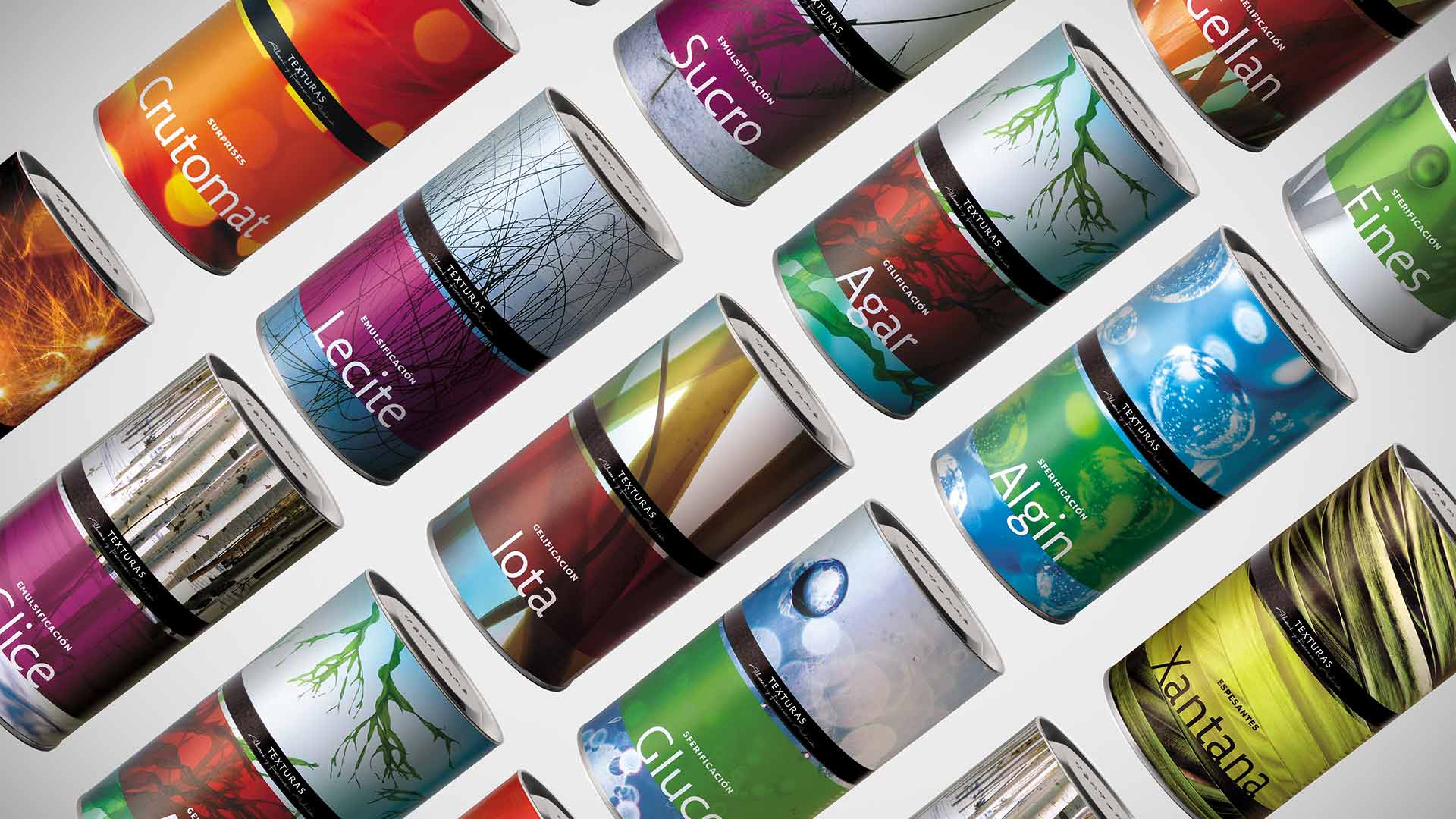
The Texturas range is essential if you want to incorporate some of our most famous techniques into your kitchen, such as hot jellies, air, gelatine caviar or spherical ravioli.
The products that make up the five families – Spherification, Gelification, Emulsification, Thickeners and Surprises – are the result of a rigorous selection and testing process. Texturas is the beginning of a world of magical sensations that has expanded over the years.
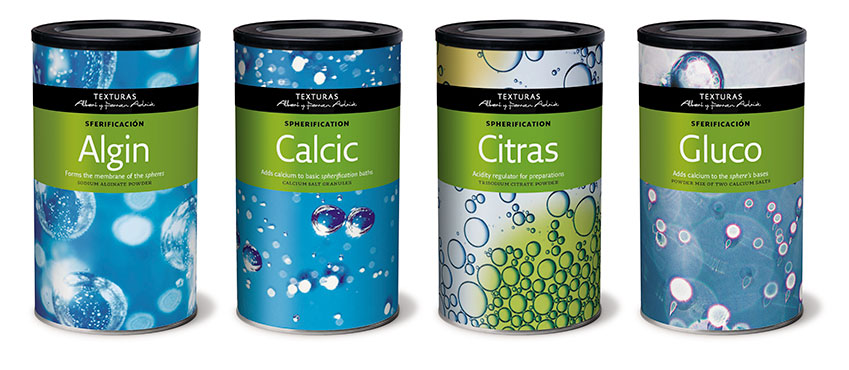
SFERIFICATION
Spherification is a spectacular culinary technique, introduced at elBulli in 2003, that allows you to create recipes never before imagined. It is the controlled gelling of a liquid which, when immersed in a bath, forms spheres. There are two types: Basic Spherification (which consists of immersing a liquid with algin in a calcic bath) and Reverse Spherification (immersing a liquid with gluco in an algin bath). These techniques make it possible to obtain spheres of different sizes: caviar, eggs, gnocchi, ravioli… In both techniques, the spheres obtained can be manipulated as they are slightly flexible. We can introduce solid elements into the spheres, which remain suspended in the liquid, thus obtaining two or more flavours in one preparation. In basic spherification, some ingredients require the use of citrus to correct the acidity; in reverse spherification, xanthan is usually used to thicken. Spherification requires the use of specific tools, which are included in the kits.
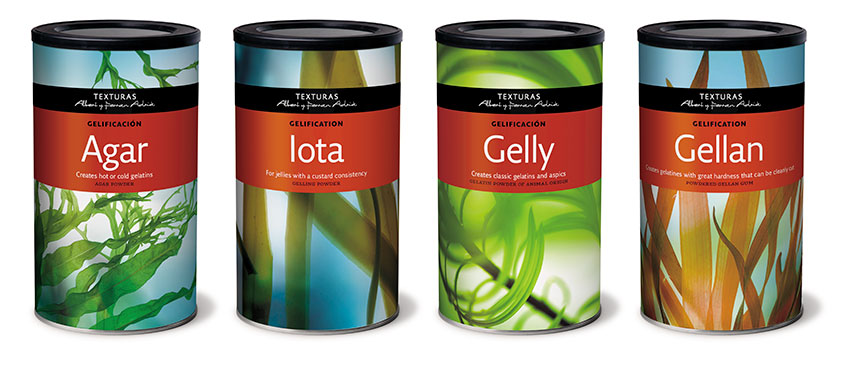
GELLING
Jellies are one of the most characteristic preparations of classical cuisine and have evolved with modern cuisine. Until a few years ago, they were mainly made with gelatin sheets (known as “fish tails”); since 1997, agar, a derivative of seaweed, has been used.
The kappa and iota carrageenans are also obtained from seaweed and have specific properties of elasticity and firmness that give them their own personality.
To complete the family, we present gellan, which makes it possible to obtain a rigid and firm gel, and methyl, with high gelling power and great reliability.
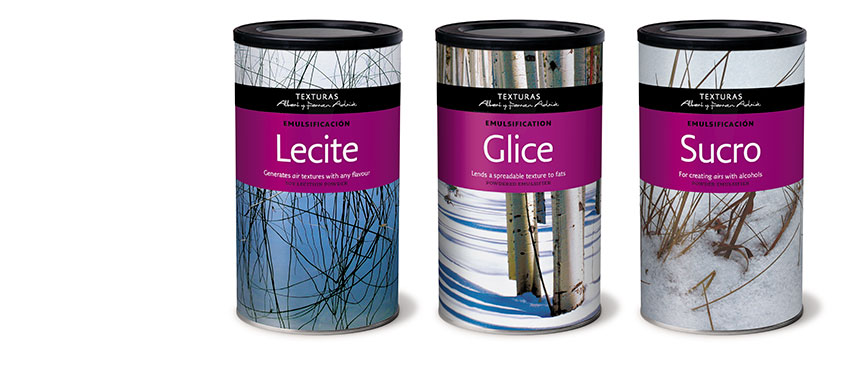
EMULSIFICATION
The Lecite product, which is used to make aerated preparations, has been joined by two other products, Sucro and Glice. The main feature of the latter is its ability to combine two phases that cannot be mixed, such as fatty and aqueous media. This makes it possible to create emulsions that would otherwise be very difficult to achieve. mahjong in chinese
THICKENERS
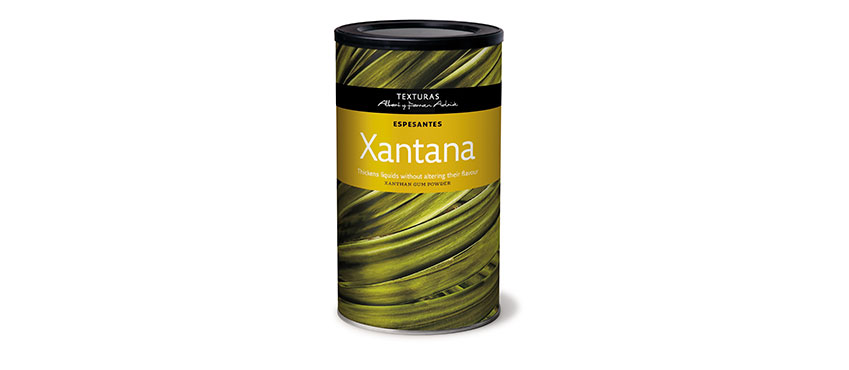
Products have always been used in the kitchen to thicken sauces, creams, juices, soups, etc. Starch, cornstarch, flour are the traditional thickeners used, with the disadvantage that a significant amount has to be added, which affects the final flavour.
With the Xantana family of thickeners, we present a new product capable of thickening cooking preparations with a minimum quantity and without altering the initial flavour characteristics in any way.
SURPRISES
It is a line of products whose main characteristic is the possibility of consuming them directly, either on their own or mixed with other ingredients and preparations. mahjong in chinese
These are products with different characteristics, but with a common denominator, their special texture, specific and unique to each of them, effervescent in the case of Fizzy, Malto and Yopol, and crunchy in Crumiel, Trisol and Crutomat. Flavours and textures that can be a fantastic and surprising solution for refining both sweet and savoury recipes.

OTHER PRODUCTS
:麻将讲究攻守平衡,既要积极进取争取胡牌,又要审时度势防止点炮。这与道家阴阳调和的思想一脉相承。
:起手牌的好坏无法选择,但如何将一手烂牌打好,考验的是玩家的应变能力。这正如人生,重要的不是拿到什么牌,而是如何打好手中的牌。 四、麻将与社会生活 在中国,麻将早已融入百姓的日常生活:
到了晚清时期,麻将已经风靡全国,并在20世纪初传入欧美和日本,成为具有国际影响力的中国游戏。1920年代,美国商人约瑟夫·巴布科克将麻将引入西方,并编写了第一本英文规则书,掀起了西方世界的“麻将热”。 一副标准的麻将牌共144张,分为三大类:
:春、夏、秋、冬,梅、兰、竹、菊,部分地区使用。
麻将,这一起源于中国的古老棋牌游戏,早已超越了单纯的娱乐范畴,成为中华文化的重要组成部分。它不仅是一种休闲方式,更蕴含着中国人的哲学思想、社交智慧和生活态度。 一、麻将的历史渊源 麻将的起源众说纷纭,最普遍的说法是它起源于清代,由古代的“叶子戏”演变而来。另一种说法认为,麻将与江苏太仓的“护粮牌”有关,粮仓守卫用这种牌来记录捕雀数量,后来逐渐演化成游戏。无论哪种说法,麻将都有着至少数百年的历史积淀。
游戏通常由四人参与,通过摸牌、出牌、吃、碰、杠等操作,最终组成符合胡牌牌型的组合。看似简单的规则背后,蕴含着概率计算、风险评估、心理博弈等复杂要素。 麻将不仅仅是一种游戏,更是中国传统智慧的浓缩体现:
:麻将讲究攻守平衡,既要积极进取争取胡牌,又要审时度势防止点炮。这与道家阴阳调和的思想一脉相承。
:起手牌的好坏无法选择,但如何将一手烂牌打好,考验的是玩家的应变能力。这正如人生,重要的不是拿到什么牌,而是如何打好手中的牌。 四、麻将与社会生活 在中国,麻将早已融入百姓的日常生活:
到了晚清时期,麻将已经风靡全国,并在20世纪初传入欧美和日本,成为具有国际影响力的中国游戏。1920年代,美国商人约瑟夫·巴布科克将麻将引入西方,并编写了第一本英文规则书,掀起了西方世界的“麻将热”。 一副标准的麻将牌共144张,分为三大类:
:春、夏、秋、冬,梅、兰、竹、菊,部分地区使用。
麻将,这一起源于中国的古老棋牌游戏,早已超越了单纯的娱乐范畴,成为中华文化的重要组成部分。它不仅是一种休闲方式,更蕴含着中国人的哲学思想、社交智慧和生活态度。 一、麻将的历史渊源 麻将的起源众说纷纭,最普遍的说法是它起源于清代,由古代的“叶子戏”演变而来。另一种说法认为,麻将与江苏太仓的“护粮牌”有关,粮仓守卫用这种牌来记录捕雀数量,后来逐渐演化成游戏。无论哪种说法,麻将都有着至少数百年的历史积淀。
游戏通常由四人参与,通过摸牌、出牌、吃、碰、杠等操作,最终组成符合胡牌牌型的组合。看似简单的规则背后,蕴含着概率计算、风险评估、心理博弈等复杂要素。 麻将不仅仅是一种游戏,更是中国传统智慧的浓缩体现:


© Albert Adrià, 2026
© 2026 Prime Circle. All rights reserved.


